Setting Standards in Military Ceremonial Practices
Military ceremonies are steeped in tradition and serve as a vital means of honoring service members, commemorating significant events, and fostering a sense of unity within the armed forces. These ceremonies, whether they are parades, memorials, or retirement events, require a high level of precision and adherence to established standards. In this blog post, we will explore the importance of setting standards in military ceremonial practices, the elements that contribute to successful ceremonies, and how these practices can be improved and maintained.
The Importance of Standards in Military Ceremonies
Setting standards in military ceremonial practices is crucial for several reasons:
Tradition and Heritage: Military ceremonies are often rooted in history and tradition. Maintaining high standards ensures that these practices are respected and preserved for future generations.
Discipline and Professionalism: Ceremonies reflect the discipline and professionalism of the armed forces. Adhering to established standards demonstrates commitment and respect for the service and its values.
Unity and Morale: Well-executed ceremonies foster a sense of unity among service members and boost morale. They provide an opportunity for camaraderie and shared experiences, reinforcing the bonds within units.
Public Perception: The way military ceremonies are conducted can significantly impact public perception. High standards in ceremonial practices enhance the reputation of the military and build trust with the community.
Recognition and Honor: Ceremonies often serve to honor individuals or groups for their service and sacrifice. Ensuring that these events are conducted with dignity and respect is essential for recognizing their contributions.
Key Elements of Military Ceremonial Practices
To achieve high standards in military ceremonies, several key elements must be considered:
Planning and Coordination
Effective planning is the backbone of any successful military ceremony. This involves:
Setting Objectives: Clearly define the purpose of the ceremony, whether it is a change of command, a memorial service, or a retirement ceremony.
Establishing a Timeline: Create a detailed timeline that outlines all necessary tasks leading up to the event, including rehearsals, logistics, and communication.
Assigning Roles and Responsibilities: Designate specific roles for personnel involved in the ceremony, ensuring that everyone understands their responsibilities.
Training and Rehearsals
Training is essential to ensure that all participants are well-prepared. This includes:
Drill and Ceremony Training: Service members should receive training on the specific movements and protocols required for the ceremony. This may involve practicing formations, saluting, and other ceremonial actions.
Rehearsals: Conducting rehearsals allows participants to familiarize themselves with the ceremony's flow and identify any potential issues. Rehearsals should be thorough and include all elements of the ceremony.
Attention to Detail
Attention to detail is paramount in military ceremonies. This includes:
Uniform Standards: Ensuring that all participants are in proper uniform, adhering to regulations regarding appearance and grooming.
Equipment and Flags: Inspecting ceremonial equipment, such as flags, rifles, and other items, to ensure they are in good condition and meet standards.
Ceremonial Protocols: Familiarizing participants with the specific protocols that govern the ceremony, including the order of events, speeches, and honors.
Communication
Effective communication is vital for the success of military ceremonies. This involves:
Clear Instructions: Providing clear and concise instructions to all participants regarding their roles and responsibilities.
Public Announcements: Ensuring that any public announcements or speeches are well-prepared and delivered effectively.
Engagement with the Audience: Engaging with the audience during the ceremony helps create a connection and enhances the overall experience.
Examples of Military Ceremonial Practices
To illustrate the importance of setting standards in military ceremonial practices, let’s look at a few examples:
Change of Command Ceremony
A change of command ceremony is a formal event that marks the transition of leadership within a military unit. Key elements include:
Formal Speeches: The outgoing and incoming commanders typically deliver speeches that reflect on the unit's accomplishments and future goals.
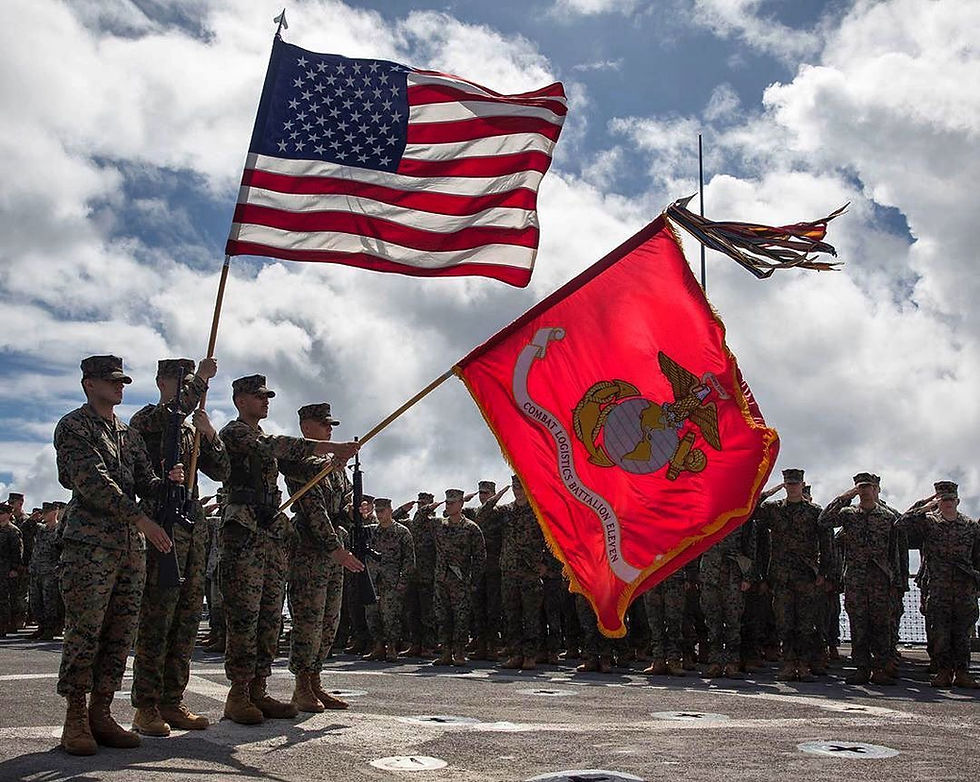
Passing of the Colors: A symbolic act where the unit's colors (flag) are passed from the outgoing commander to the incoming commander, signifying the transfer of authority.
Salutes and Honors: Participants salute during key moments, such as the playing of the national anthem and the passing of the colors.
Memorial Services
Memorial services honor fallen service members and provide an opportunity for reflection and remembrance. Important aspects include:
Moment of Silence: A moment of silence is often observed to honor the sacrifice of the fallen.
Presentation of Awards: Posthumous awards may be presented to the family of the deceased, recognizing their service and sacrifice.
Guest Speakers: Inviting guest speakers, such as fellow service members or family members, can provide personal insights and stories that resonate with attendees.
Retirement Ceremony
A retirement ceremony celebrates the end of a service member's career and their contributions to the military. Key components include:
Recognition of Service: Highlighting the retiree's achievements and milestones throughout their career.
Presentation of Gifts: Often, retirees receive gifts or tokens of appreciation from their unit or peers.
Farewell Speech: The retiree typically delivers a farewell speech, reflecting on their experiences and expressing gratitude.
Improving Military Ceremonial Practices
While many military ceremonies are conducted with high standards, there is always room for improvement. Here are some strategies to enhance ceremonial practices:
Incorporating Feedback
Gathering feedback from participants and attendees can provide valuable insights into areas for improvement. This can be done through:
Surveys: Distributing surveys after ceremonies to gather opinions on various aspects, such as organization, execution, and overall experience.
Debriefing Sessions: Conducting debriefing sessions with key personnel involved in the ceremony to discuss what worked well and what could be improved.
Embracing Technology
Leveraging technology can enhance the planning and execution of military ceremonies. This includes:
Digital Planning Tools: Utilizing software or apps for scheduling, task management, and communication can streamline the planning process.
Live Streaming: Offering live streaming options for ceremonies allows family members and friends who cannot attend in person to participate virtually.
Continuous Training
Ongoing training is essential to maintain high standards in military ceremonial practices. This can involve:
Workshops and Seminars: Organizing workshops focused on specific aspects of ceremonial practices, such as drill and ceremony techniques or public speaking.
Mentorship Programs: Pairing experienced personnel with newer members to provide guidance and share best practices.
Conclusion
Setting standards in military ceremonial practices is essential for preserving tradition, fostering discipline, and enhancing public perception. By focusing on key elements such as planning, training, attention to detail, and communication, military ceremonies can be executed with the highest level of professionalism. Continuous improvement through feedback, technology, and training will ensure that these important events remain meaningful and impactful for all involved.
As we honor the service and sacrifice of military personnel, let us commit to upholding the standards that make these ceremonies a true reflection of their dedication and bravery. Whether you are a service member, a family member, or a member of the community, your involvement in these ceremonies helps to strengthen the bonds that unite us all.


Comments